

Friday, September 18, 2026
Fed Interest Rate Hike September 2026: Impact on HYSA, CDs & Mortgages
Do you like this story?
In a move that surprised financial markets and defied political expectations, the Federal Reserve’s Federal Open Market Committee (FOMC) voted unanimously to raise the benchmark federal funds target rate by 25 basis points to a range of 3.75% to 4.00%. Marking the first rate increase in three years, the central bank signaled that persistent inflation and resilient economic activity require firmer borrowing costs to steer inflation back toward its 2% target.
For everyday US savers, homeowners, and investors, a shift in Federal Reserve policy triggers immediate ripple effects across consumer balance sheets. From shifting yields on High-Yield Savings Accounts (HYSAs) and Certificates of Deposit (CDs) to climbing borrowing costs on credit cards and mortgages, here is a practical financial breakdown of what this rate hike means for your money.

The Fed's decision to lift benchmark rates alters consumer savings yields and loan pricing.
1. The Fed's Decision & Why It Happened
While many Wall Street projections anticipated steady policy ahead of fall elections, the Fed cited ongoing inflation pressures, resilient consumer demand, and rising global energy commodity prices as drivers for immediate action. By lifting the interest rate paid on reserve balances to 3.90%, policymakers made clear that stabilizing price levels takes priority over calls for immediate monetary easing.
2. How the Hike Impacts Your Personal Finances
| Financial Asset / Debt | Direct Rate Reaction | Strategic Action Step |
|---|---|---|
| High-Yield Savings (HYSAs) | Variable APYs edge upward (4.25%–4.60%) | Keep emergency reserves in top-tier FDIC online banks |
| Certificates of Deposit (CDs) | Short-term yields rise; long yields price further hikes | Lock in a 12-to-18 month CD ladder to capture peak yields |
| Mortgages & HELOCs | Benchmark borrowing costs stay elevated above 6.5% | Avoid variable HELOC balances; prioritize fixed financing |
| Credit Card APRs | Prime rate climbs by 0.25%, pushing APRs higher | Pay off revolving debt aggressively or use 0% balance transfers |
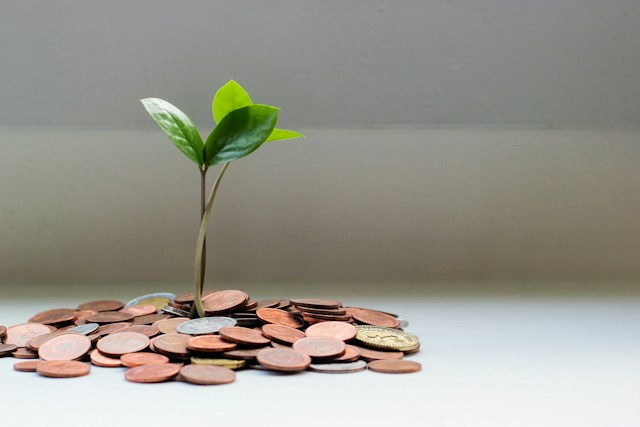
Higher interest rates reward cash savers while punishing revolving high-interest debt.
3. A Pragmatic 3-Step Playbook for Savers & Investors
Step 1: Eliminate Variable-Rate Credit Card Debt Immediately
Because credit card APRs are tied directly to the Prime Rate, this 25-basis-point increase will show up on your monthly statement within one to two billing cycles. If you are carrying revolving balances at 22% to 25% APR, paying down that debt delivers a guaranteed, risk-free 25% return on your capital.
Step 2: Build a Rolling Fixed-Income Ladder
With short-term Treasury yields and CD rates adjusting higher, do not leave excess cash in traditional checking accounts earning near 0%. Split your savings across short-term Treasury Bills (exempt from state income tax) or 6-to-12-month CDs to lock in guaranteed returns.
Step 3: Maintain Consistent Broad-Market Index Investing
Market volatility frequently follows central bank rate announcements as institutional traders reprice growth stocks. Resisting the urge to time the market and continuing automatic dollar-cost averaging into low-cost S&P 500 or Total Stock Market index funds ensures you acquire shares at consistent valuations.
The Bottom Line
The Federal Reserve's rate hike serves as a reminder that the era of ultra-cheap debt is over. By aggressively eliminating variable debt, keeping cash deployed in high-yield vehicles, and maintaining disciplined investment habits, you can navigate shifting macroeconomic policy with financial confidence.


This post was written by: Damy Martyn
Damy Martyn is a professional blogger and Copy Writer. Follow him on Twitter


0 Responses to “Fed Interest Rate Hike September 2026: Impact on HYSA, CDs & Mortgages”
Post a Comment